

Nawaz Sharif
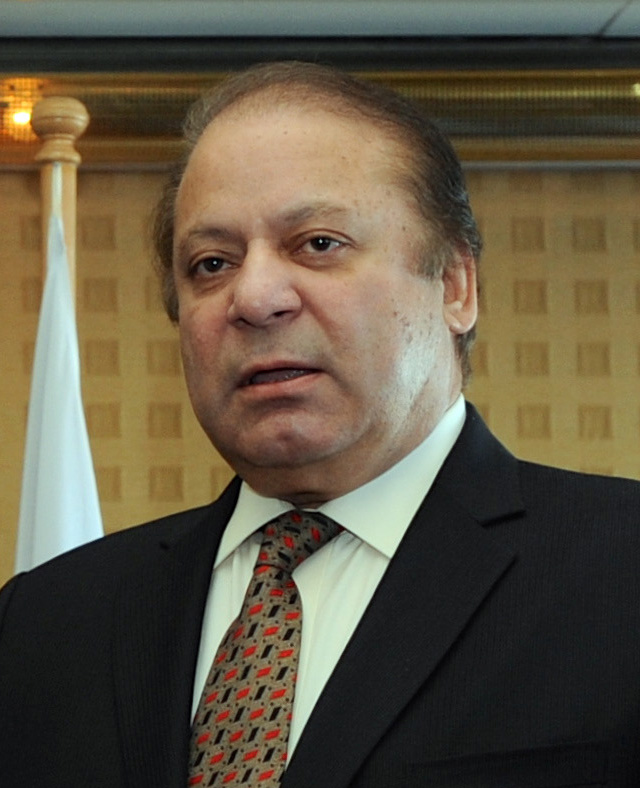
Third Term As Prime Minister
Sharif executed a surprising political rebound in 2013, anchoring a third term as head administrator when the PML-N won a reverberating triumph in the May authoritative decisions. The triumph was not without debate, however. The opponent Tehreek-e-Insaf party, drove by Imran Khan, reproved the decisions as fixed and held dissents in Islamabad for a while.
At the cutting edge of the motivation for the approaching organization were three issues distinguished as "the three E's"— economy, vitality, and radicalism. Under Sharif the economy enhanced considerably, with higher development rates, a stabNawaz Sharif
Third Term As Prime Minister
Sharif executed a striking political bounce back in 2013, tying down a third term as head overseer when the PML-N won a resonating triumph in the May definitive races. The triumph was not without talk about, nonetheless. The foe Tehreek-e-Insaf party, drove by Imran Khan, reviled the choices as settled and held disputes in Islamabad for some time.
At the cutting edge of the inspiration for the moving toward association were three issues recognized as "the three E's"— economy, imperativeness, and radicalism. Under Sharif the economy improved liberally, with higher advancement rates, an unfaltering rupee, and lower development. Imperativeness and radicalism, nonetheless, showed all the more troublesome. Power ask for continued outpacing supply, achieving unending and expansive inadequacies that were as often as possible exacerbated by the general delicacy of Pakistan's ability structure.
To the extent outside plan, Sharif wandered on the toes of military pioneers by pushing for upgraded relations with India, vowing not to meddle in Afghanistan after the 2014 withdrawal of NATO troops, and searching for a settlement with Tehrik-e-Taliban Pakistan (TTP), an Islamist revolt arranged in Pakistan and unaffiliated with the Taliban in Afghanistan. These positions were conflicting with the military's security focal points. Exactly when obstruction challenges in 2014 gave a prelude to the military to expel Sharif with common help, the military rather used the opportunity to weight Sharif to submit to the military on issues of outside game plan and hindrance.
At that point, the organization endeavored to respond to radical ambushes. After an amazing strike by the TTP on a school in Peshawar killed around 150 people in December 2014, the organization started a 20-point National Action Plan against radicalism, which included measures for controlling religious foundations and endeavoring dread mongering partners before military committees rather with standard native courts. Regardless of the way that toward the starting the game plan appeared to have unfathomable help all through Pakistani society, political and institutional conflicts soon reemerged, hampering use.
In 2017 Sharif's third term as head chairman landed at an end when he was constrained to leave on account of a degradation test. Questions of degradation—a relentless reinforcement all through Sharif's political business—were opened up in 2015 when a trove of worldwide cash related records known as the Panama Papers were spilled to the press, including information interfacing three of Sharif's youths to shell associations that had been used to purchase arrive abroad. Sharif denied any awful conduct, anyway the Supreme Court voted in July 2017 to prohibit him from holding office. He wandered down and was supplanted by Shahid Khaqan Abbasi. Sharif, his significant other, and his youths left for London, while his kin Shehbaz Sharif was driven the PML-N in the accompanying races.
In July 2018 Nawaz Sharif was prosecuted absentia for having asserted assets past his wage and was sentenced to 10 years in prison. His great young lady Maryam Nawaz Sharif was prosecuted having abetted a bad behavior and was sentenced to 7 years in prison. Despite the way that they continued denying any terrible conduct, they returned to Lahore on July 13 to serve their sentences.
A last hit to the PML-N government worked out as intended two weeks sometime later when choices were held and Khan's Tehreek-e-Insaf got most of the vote. The PML-N, the PPP, and distinctive social affairs imparted stress that the military had interfered in the choices; from imprison, Sharif fought that the race had been stolen. The PML-N yielded triumph to Tehreek-e-Insaf, in any case, in an offer to "strengthen larger part runs system."le rupee, and lower expansion. Vitality and radicalism, however, demonstrated additionally difficult. Power request kept on outpacing supply, bringing about continuous and across the board deficiencies that were regularly exacerbated by the general delicacy of Pakistan's capacity framework.
As far as outside approach, Sharif ventured on the toes of military pioneers by pushing for enhanced relations with India, swearing not to intrude in Afghanistan after the 2014 withdrawal of NATO troops, and looking for a settlement with Tehrik-e-Taliban Pakistan (TTP), an Islamist revolt situated in Pakistan and unaffiliated with the Taliban in Afghanistan. These positions were inconsistent with the military's security advantages. At the point when restriction challenges in 2014 gave a start to the military to expel Sharif with well known help, the military rather utilized the chance to weight Sharif to submit to the military on issues of remote strategy and safeguard.
In the mean time, the administration attempted to react to radical assaults. After a staggering assault by the TTP on a school in Peshawar executed around 150 individuals in December 2014, the legislature founded a 20-point National Action Plan against radicalism, which included measures for managing religious organizations and attempting fear based oppression associates before military councils rather with regular citizen courts. In spite of the fact that at the beginning the arrangement seemed to have far reaching support all through Pakistani society, political and institutional contentions soon reemerged, hampering execution.
In 2017 Sharif's third term as head administrator arrived at an end when he was compelled to leave because of a debasement test. Doubts of debasement—a steady backup all through Sharif's political profession—were opened up in 2015 when a trove of worldwide budgetary archives known as the Panama Papers were spilled to the press, including data connecting three of Sharif's youngsters to shell organizations that had been utilized to buy land abroad. Sharif denied any bad behavior, however the Supreme Court voted in July 2017 to preclude him from holding office. He ventured down and was supplanted by Shahid Khaqan Abbasi. Sharif, his better half, and his kids left for London, while his sibling Shehbaz Sharif was chosen to lead the PML-N in the following decisions.
In July 2018 Nawaz Sharif was indicted absentia for having claimed resources past his salary and was condemned to 10 years in jail. His persuasive little girl Maryam Nawaz Sharif was indicted having abetted a wrongdoing and was condemned to 7 years in jail. Despite the fact that they kept on denying any bad behavior, they came back to Lahore on July 13 to serve their sentences.
A last hit to the PML-N government occurred two weeks after the fact when races were held and Khan's Tehreek-e-Insaf got the majority of the vote. The PML-N, the PPP, and different gatherings communicated worry that the military had meddled in the races; from jail, Sharif contended that the race had been stolen. The PML-N yielded triumph to Tehreek-e-Insaf, in any case, in an offer to "reinforce majority rule government."
Third Term As Prime Minister
Sharif executed a surprising political rebound in 2013, anchoring a third term as head administrator when the PML-N won a reverberating triumph in the May authoritative decisions. The triumph was not without debate, however. The opponent Tehreek-e-Insaf party, drove by Imran Khan, reproved the decisions as fixed and held dissents in Islamabad for a while.
At the cutting edge of the motivation for the approaching organization were three issues distinguished as "the three E's"— economy, vitality, and radicalism. Under Sharif the economy enhanced considerably, with higher development rates, a stabNawaz Sharif
Third Term As Prime Minister
Sharif executed a striking political bounce back in 2013, tying down a third term as head overseer when the PML-N won a resonating triumph in the May definitive races. The triumph was not without talk about, nonetheless. The foe Tehreek-e-Insaf party, drove by Imran Khan, reviled the choices as settled and held disputes in Islamabad for some time.
At the cutting edge of the inspiration for the moving toward association were three issues recognized as "the three E's"— economy, imperativeness, and radicalism. Under Sharif the economy improved liberally, with higher advancement rates, an unfaltering rupee, and lower development. Imperativeness and radicalism, nonetheless, showed all the more troublesome. Power ask for continued outpacing supply, achieving unending and expansive inadequacies that were as often as possible exacerbated by the general delicacy of Pakistan's ability structure.
To the extent outside plan, Sharif wandered on the toes of military pioneers by pushing for upgraded relations with India, vowing not to meddle in Afghanistan after the 2014 withdrawal of NATO troops, and searching for a settlement with Tehrik-e-Taliban Pakistan (TTP), an Islamist revolt arranged in Pakistan and unaffiliated with the Taliban in Afghanistan. These positions were conflicting with the military's security focal points. Exactly when obstruction challenges in 2014 gave a prelude to the military to expel Sharif with common help, the military rather used the opportunity to weight Sharif to submit to the military on issues of outside game plan and hindrance.
At that point, the organization endeavored to respond to radical ambushes. After an amazing strike by the TTP on a school in Peshawar killed around 150 people in December 2014, the organization started a 20-point National Action Plan against radicalism, which included measures for controlling religious foundations and endeavoring dread mongering partners before military committees rather with standard native courts. Regardless of the way that toward the starting the game plan appeared to have unfathomable help all through Pakistani society, political and institutional conflicts soon reemerged, hampering use.
In 2017 Sharif's third term as head chairman landed at an end when he was constrained to leave on account of a degradation test. Questions of degradation—a relentless reinforcement all through Sharif's political business—were opened up in 2015 when a trove of worldwide cash related records known as the Panama Papers were spilled to the press, including information interfacing three of Sharif's youths to shell associations that had been used to purchase arrive abroad. Sharif denied any awful conduct, anyway the Supreme Court voted in July 2017 to prohibit him from holding office. He wandered down and was supplanted by Shahid Khaqan Abbasi. Sharif, his significant other, and his youths left for London, while his kin Shehbaz Sharif was driven the PML-N in the accompanying races.
In July 2018 Nawaz Sharif was prosecuted absentia for having asserted assets past his wage and was sentenced to 10 years in prison. His great young lady Maryam Nawaz Sharif was prosecuted having abetted a bad behavior and was sentenced to 7 years in prison. Despite the way that they continued denying any terrible conduct, they returned to Lahore on July 13 to serve their sentences.
A last hit to the PML-N government worked out as intended two weeks sometime later when choices were held and Khan's Tehreek-e-Insaf got most of the vote. The PML-N, the PPP, and distinctive social affairs imparted stress that the military had interfered in the choices; from imprison, Sharif fought that the race had been stolen. The PML-N yielded triumph to Tehreek-e-Insaf, in any case, in an offer to "strengthen larger part runs system."le rupee, and lower expansion. Vitality and radicalism, however, demonstrated additionally difficult. Power request kept on outpacing supply, bringing about continuous and across the board deficiencies that were regularly exacerbated by the general delicacy of Pakistan's capacity framework.
As far as outside approach, Sharif ventured on the toes of military pioneers by pushing for enhanced relations with India, swearing not to intrude in Afghanistan after the 2014 withdrawal of NATO troops, and looking for a settlement with Tehrik-e-Taliban Pakistan (TTP), an Islamist revolt situated in Pakistan and unaffiliated with the Taliban in Afghanistan. These positions were inconsistent with the military's security advantages. At the point when restriction challenges in 2014 gave a start to the military to expel Sharif with well known help, the military rather utilized the chance to weight Sharif to submit to the military on issues of remote strategy and safeguard.
In the mean time, the administration attempted to react to radical assaults. After a staggering assault by the TTP on a school in Peshawar executed around 150 individuals in December 2014, the legislature founded a 20-point National Action Plan against radicalism, which included measures for managing religious organizations and attempting fear based oppression associates before military councils rather with regular citizen courts. In spite of the fact that at the beginning the arrangement seemed to have far reaching support all through Pakistani society, political and institutional contentions soon reemerged, hampering execution.
In 2017 Sharif's third term as head administrator arrived at an end when he was compelled to leave because of a debasement test. Doubts of debasement—a steady backup all through Sharif's political profession—were opened up in 2015 when a trove of worldwide budgetary archives known as the Panama Papers were spilled to the press, including data connecting three of Sharif's youngsters to shell organizations that had been utilized to buy land abroad. Sharif denied any bad behavior, however the Supreme Court voted in July 2017 to preclude him from holding office. He ventured down and was supplanted by Shahid Khaqan Abbasi. Sharif, his better half, and his kids left for London, while his sibling Shehbaz Sharif was chosen to lead the PML-N in the following decisions.
In July 2018 Nawaz Sharif was indicted absentia for having claimed resources past his salary and was condemned to 10 years in jail. His persuasive little girl Maryam Nawaz Sharif was indicted having abetted a wrongdoing and was condemned to 7 years in jail. Despite the fact that they kept on denying any bad behavior, they came back to Lahore on July 13 to serve their sentences.
A last hit to the PML-N government occurred two weeks after the fact when races were held and Khan's Tehreek-e-Insaf got the majority of the vote. The PML-N, the PPP, and different gatherings communicated worry that the military had meddled in the races; from jail, Sharif contended that the race had been stolen. The PML-N yielded triumph to Tehreek-e-Insaf, in any case, in an offer to "reinforce majority rule government."
Nawaz sharif
![Nawaz sharif]() Reviewed by Home Made niche
on
July 29, 2018
Rating:
Reviewed by Home Made niche
on
July 29, 2018
Rating:


No comments: